George Thompson Traditional Chief of Hickory Ground (Oce Vpofv –o chee uh Bo fuh) over 40 years and recently appointed supreme court justice for the Muskogee Creek Nation will share the traditional view on things.
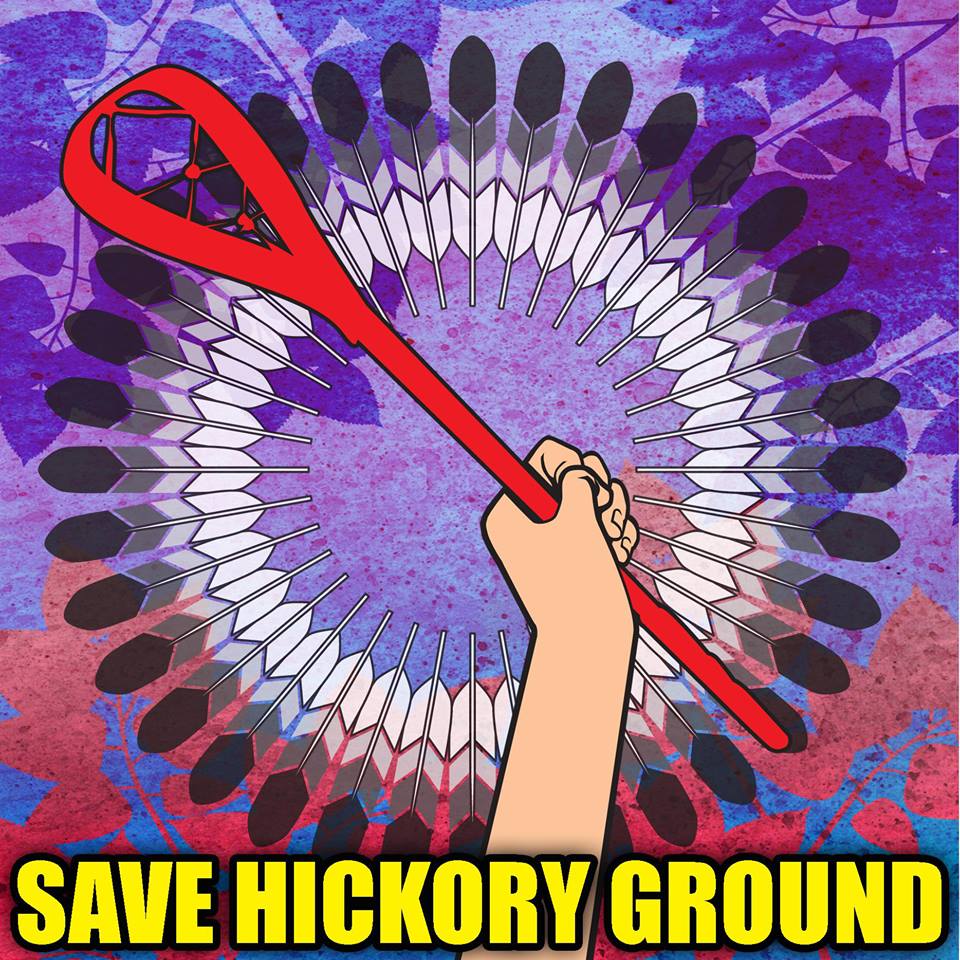
Suzanna Shown Harjo, Muskogee creek and Cheyenne. poet ,writer and native activist she is the president of Morning Star Institute has gotten back over a million acres for tribes wrote many sacred protection laws, has protected numerous sacred places, is on the frontlines over the mascot issue and many other native rights issues including saving hickory ground and burial grounds of the Muskogee people.
Brendan Ludwick, Kickapoo, attorney for Hickory Ground
Wayland Gray, Council member at Hickory Ground and Native Activist.
Robert Trepp,Muskogee creek and a Muskogee historian.
William Bailey former Poarch Creek citizen and council member,
“My name is Aaron Carapella. I have always had a calling towards my Native side ever since I was a young child .Growing up in California-far away from my Oklahoma Cherokee roots-I was intrigued with the story of not only the Ani’yunwi’yah (Cherokee) people, but also of the many other tribes. As I got older I got involved with the Tongva and Ajachamen Nations of Orange County, Ca, learning of their struggles as “unrecognized” Peoples, and from there eventually joined the American Indian Movement and met other Cherokee people who taught me about the traditional way of life. At 19 I started developing a map of the Indigenous Nations of the United States, utilizing their traditional names for themselves and documenting even the smallest and most obscure of tribes, to bring back their memories and honor a Native perspective of pre-contact “America.” Along the way I earned a Bachelor’s in Marketing at Indian Tech and now reside back in the state where my grandparents were born, in Warner, Oklahoma. I have a fiance- Whitney, and a 4-month-old son -Sequoyah Nighthawk. We are raising him in the Cherokee language. I continue to develop more maps of Native “America” that bring honor to the truth of our collective and individual histories. Wado diginali (thank you friends).”
Ed Johnstone is being honored as a Champion of Change for his efforts as a Community Resilience Leader.
I am a Fisheries Policy Representative for the Quinault Indian Nation, a land of cliff-lined beaches on the Pacific Ocean, evergreen forests, rivers, lakes, and mountains. We fish the same waters and hunt the same lands our ancestors did thousands of years before people from other parts of the world ever came here. We meld our traditions and legacies with technological innovations and provide new opportunities for our hard-working people; however, we always maintain environmental stewardship and sustainability at the forefront of our priorities and spiritual connection.
The Quinault Nation seeks every opportunity to merge our efforts with those of other governments as well as other people from all walks of life as long as they demonstrate respect for our history, our sovereignty and our land, our treaty-protected rights, and the rights of future generations to inherit a healthy world. Economic prosperity and gainful employment are congruent with these things, as long as care, cultural sensitivity, and wise, long term decision-making are the primary considerations in management planning and implementation. Because of this, I gladly accept the honor of being named a “Champion of Change” because – as you know- change is mandatory.
It is important for other Americans to understand the perspective of Native Americans—to learn from it and hopefully adopt elements of it in their own lives. We have lived here a very long time. Survival and adaptation are concepts we Indians know very well. We breathe the same air and walk on the same land as other Americans. We drink the same water. We share a common future. In the long run, humanity will either prosper, or perish, together. Climate change is a major anthropogenic environmental concern, which affects Tribes directly. It has already had major impacts on our lands, causing massive fish kills and transmigrations through hypoxia and ocean-warming, intensified storms and flooding, glacial melting and expanded droughts, eroded beaches and invasive species.
Quinault Nation and other indigenous nations have been responding to climate change for years, and the need to support us in our efforts as well as work with us in a team effort to deal with this issue, as effectively as possible, is absolute. I was proud to the co-chair First Stewards, a non-profit organization which presented a major climate change summit at the National Museum of the American Indian in Washington DC this past summer, and which will continue to bring indigenous people for the U.S. and American territories together over climate issues in the years to come. I am currently treasurer of First Stewards. For more information on this program, please visit our website at www.firststewards.org.
I have worked in the timber and fishing industries of the Quinault Indian Nation most of my life. I am a two-term Quinault Councilman, serving from 1996-2002, and serve as treasurer of the Northwest Indian Fisheries Commission. I also chair the Intergovernmental Policy Council, a forum of tribal and state co-managers of the ocean area that includes the Olympic Coast National Marine Sanctuary.
12 year old Ta’Kaiya Blaney is Sliammon First Nation from B.C., Canada. Along with singing, songwriting, and acting, she is concerned about the environment, especially the preservation of marine and coastal wildlife. She travels and speaks on protecting indigenous lands worldwide from unsustainable development.
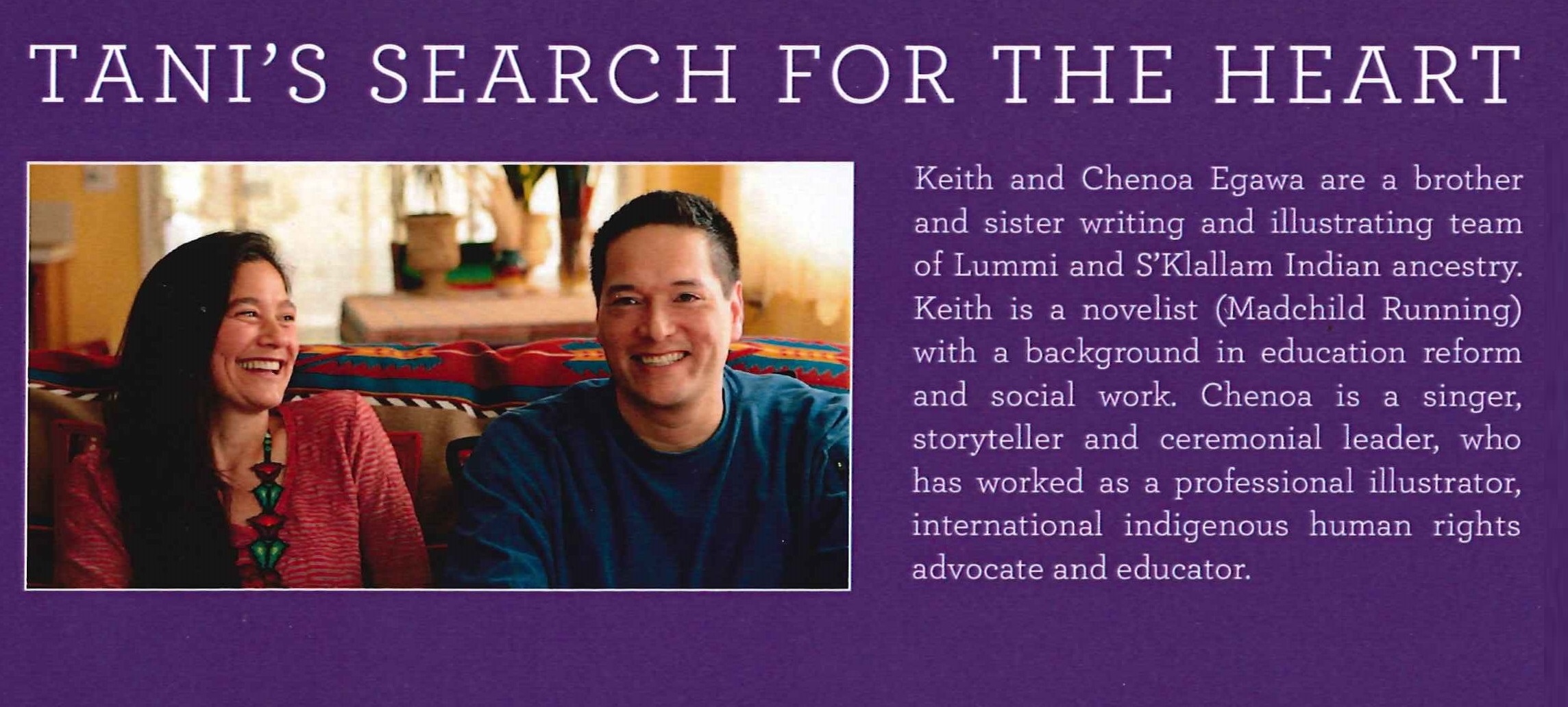
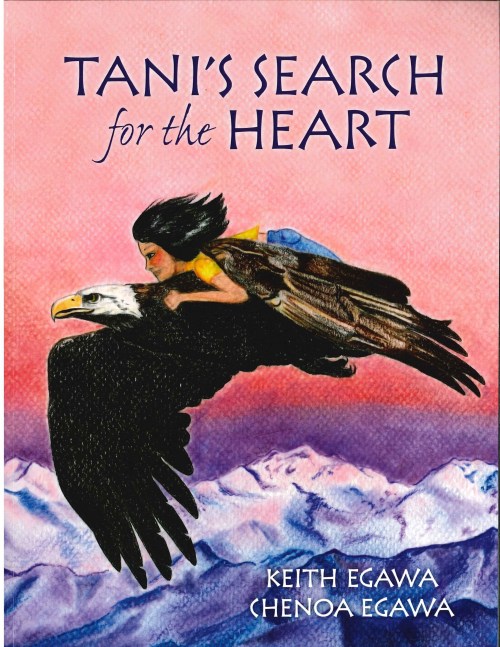
Keith and Chenoa Egawa are a brother and sister writing and illustrating team of Lummi and S’Klallam Indian ancestry. Keith is a novelist ( Madchild Running) with a background in education reform and social work. Chenoa is a singer, stoyterller and ceremonial leader, who has worked as a professional illustrator, international indigenous human rights advocate and educator.
Dennis Banks is a Native American leader, teacher, lecturer, activist, and author. He is an Anishinabe, Ojibwa, born on Leech Lake Indian Reservation in northern Minnesota. In 1968 he co-founded the American Indian Movement (AIM), and establishing it to protect the traditional ways of Indian people and to engage in legal cases protecting treaty rights of Natives-such as hunting and fishing, trapping, wild riceing.
Banks earned an Associates of Arts degree at Davis University and taught at Deganawida Quetzecoatl (DQ) University (an all Indian-controlled institution), where he became the first American Indian chancellor.
In 1994, Banks led the four-month Walk for Justice (WFJ) from Alcatraz Island in San Francisco to Washington, DC. The purpose was to bring public awareness to current Native issues. Banks agreed to head the “Bring Peltier Home” campaign in 1996 bringing Native Americans and other supporters together in a national drive for executive clemency for political prisoner Leonard Peltier.
He also had roles in the movies War Party, The Last of the Mohicans, and Thunderheart. A musical tape “Still Strong” featuring Banks’ original work as well as traditional Native American songs was completed in’93 and a musical video with the same name was released in’95.
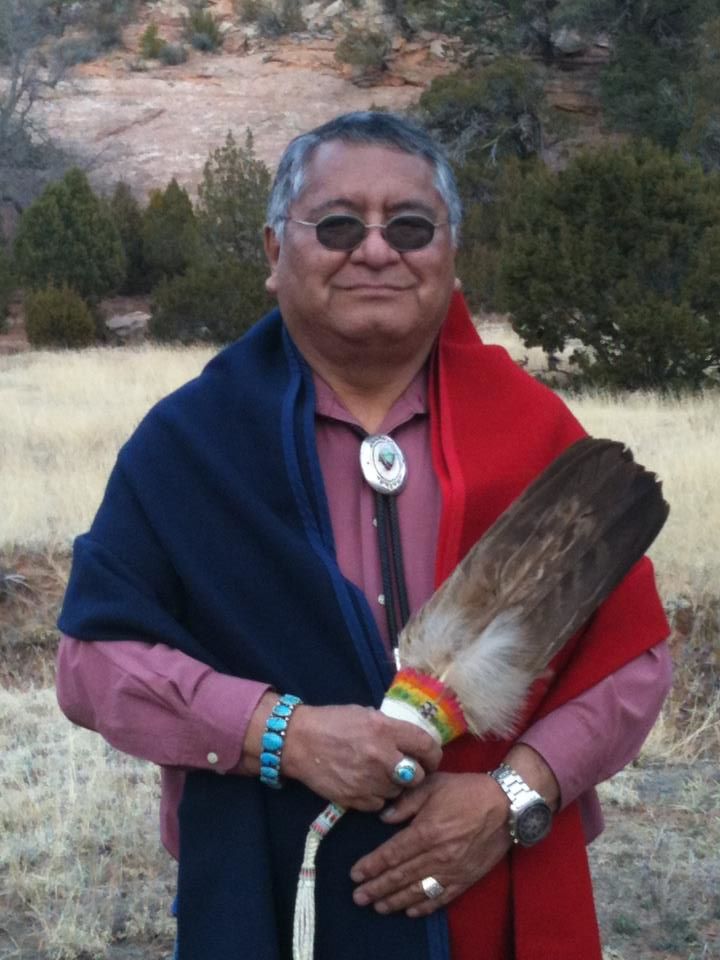
Edmund Ciccarello, Diné (Navajo), Roanhorse Canyon, New Mexico.
A family man with a loving wife and beautiful children and grandchildren. I treasure making life-long friends near and far. I pray that we strive to ensure our future generations have a wonderful beautiful safe world that they can also enjoy besides us.
Welcome! It is an honor to contribute and give another voice to the “The First Peoples” of our world.
Make No Bones About It. * KAOS 89.3 FM
Sundays 4pm to 6 pm with your Host, Raven Redbone.Visit KAOS 89.3 FM @ www.kaosradio.org!
Make No Bones About It
Make No Bones About It- Sound Cloud
World Peace and Prayer Day 2013
Encouraging Words from our Elders
"I appreciate your work in giving voice to our peoples. Blessings to you." Grandmother Mona Polacca
Quote of the Month
Yes, our life energy must be a gift for our future. Your life, my life, everybody’s life must follow your given path. So pray or meditate. Follow your inner path and learn just how powerful you are and learn that you are a leader for your people, your family, your children, and the Mother Earth.
-Chief Arvol Looking Horse, Lakota






 Make No Bones About It